Showing posts with label 6th grade. Show all posts

Friday, April 7, 2017

Year End Conflict Resolution

I don't know about you, but my students have a much harder time getting along as the year end approaches. In light of this, I've planned to do conflict resolution lessons this month!

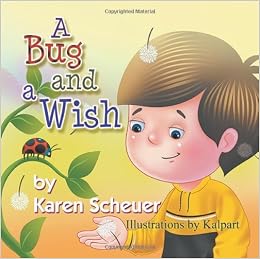
Image result for a bug and a wishI'm using a really cute story with my K-3 students called, A Bug and a Wish by Karen Scheuer. In this story, one little boy learns how to use the phrase "It BUGS me when you ___________, I WISH you would ____________." I talk with my students after reading the book about the importance to talking to others when there is a problem vs. letting the problem stew and get worse. Sometimes people don't realize they've upset them, or that what they do bothers them. That's why they have to talk about it! We go through several examples of problems they may have with others and put it into the phrase above. After I feel they've got it, they get a coloring page or a small bookmark to color with a lady bug on it.


For my older ones, I'm doing a similar lesson, but they are learning about "I messages," which I like to think of as more grown up version of "A Bug and a Wish." In the PowerPoint you can find on my TPT store, there are three videos from the Olive Branch where to cartoon characters have a conflict. We talk about how they resolved to conflict and what other options they could have tried. We also practice using I messages, which are elaborated on in the PowerPoint. My older students have a HUGE problem talking to each other about problems. They'd rather let it simmer and explode later, or talk to everyone else not involved. I've been working with several about changing that and I'm hoping these lessons help reinforce the importance of talking to each other to all of them!

What lessons and materials do you use for conflict resolution? I'd love to hear some new ideas!

Tuesday, March 28, 2017

Motivating Students Lesson

State testing is right around the corner. Am I the only one with students who check out after spring break?!? 
Due to this checking out coupled with upcoming testing, this month's lessons focus on being motivated and setting goals! This lesson goes hand in hand with last month's lesson on careers, which I refer to often in these lessons (especially my 4th-6th graders).

For my K-1 students, I do a lesson and activity much like I did last year. See here.

For 2-3 We talk about setting SMART goals and go through several examples. This does go over several of their heads, but I believe it's important for them to at least hear it even if the understanding comes later. Many of them do catch on and do well!
Image result for SMART goals
For my older ones, we do the same thing, learn about and practice setting SMART goals. But before we do that, I try to motivate them to not give up and to work hard. I use a power point that has several people that had to work very hard to get where they are. These are people who failed or faced obstacles. There's a few they all know and some they don't. We talk about how it is okay to fail, but not to give up. Many of my students will have to work hard to have a better life, so I want to expose them to people who made it.

The powerpoint for older students and all the SMART goal sheets I use are available in my TPT store. There is also a discounted bundle with both!


Monday, February 27, 2017

Career/Job Lessons

I started a new round of lessons recently. This round the topic is careers! In Georgia, we have certain lessons on career clusters that are required each year. Our teachers teach these, so I've been unsure of what to do for a career lesson that won't interfere with the state mandated lessons.
I decided to focus on their jobs right now, coming to school and doing their best. We talk a little about different types of careers, but the focus is on what they are learning right now will help them get to be whatever they decide they want to be.

Image result for when I grow up weird alFor my youngest ones, I read When I Grow Up by Al Yankovic. In this book, Billy is telling his class all about ALL the things he wants to be when he grows up, which is a lot of things. It is a really cute book and my students love it. I allow them to color a picture with what they want to be when they grow up.

For my 2nd and 3rd graders, I also read the book and we play career bingo. They love it! I got my bingo boards from here. She has another version too that I have not used yet, which you can get here


For my older students, 4th-6th, I want them to start connecting education to standard of living, so we do a lesson on careers and money. Each student get a randomly assigned job that is paired with the level of education needed. The more education you have, the more money you earn. I included some trade school jobs to emphasize that not all students may go to college, but some sort of continuing education will be needed. They they get to choose what they want in the form of bills. Do they want an apartment or a house? Do they want to have a nice cable package or internet or a cell phone? Would they like to go out to eat a lot? What about going to a movie or a concert once in a while? It really helps them see that luxuries aren't something those without a diploma often get to have. I've included a few snippets from the lesson below. 


Click here to get an editable version of the Careers and Money lesson, and here for a non-editable version (that's a couple of dollars cheaper!). The lesson includes the worksheets, the power point, and the job cards!

What tools do you use for career lessons? What activities do your students love?

Tuesday, January 24, 2017

Welcome Back to Lessons!


After a glorious 12 weeks at home with my new bundle of joy, I am back at work and getting back into the swing of things! Of course I have a mound of work to get caught up on, but this week I resume lessons. 
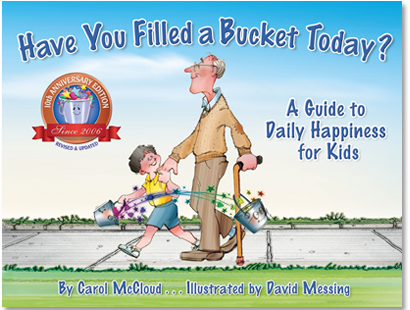
Image result for bucket fillingThis month we are focusing on bullying and being bucket fillers as a way to combat bullying. I love the book Have You Filled a Bucket Today?
I begin each lesson by discussing the difference between a mean kid and bully. I tell them bullies are mean every single day for weeks, not just once or twice. I tell them bullies are big deals that we need help with. I also tell them they can try to solve problems with mean kids first (because it still upsets us when someone is mean only one time) by telling them to stop or playing elsewhere. 


Image result for bucket fillingThen I begin to tell them that a great way to stop bullies and mean kids a like is to be a bucket filler. We read the book and then do a developmentally appropriate activity based on grade. I do this with ALL my students K-6!
See this post for our bucket filling adventures from last year. And visit my TPT store to get a copy of the activity sheets I use for each level.

What other lessons work well with combating bullying? What do you use at your school?

Tuesday, October 11, 2016

Intros Pt. 2 16-17

Whew! I have been a busy school counselor! I have been working through the remainder of my intro lessons for this year and trying to get to as many students as I can before my maternity leave begins. I have about 2.5 weeks left!

Due to my pregnant state, I have taken my intro lessons easier this year. See this post for my younger lesson. For my 2nd-6th graders, I've used the same power point with a developmentally appropriate activity to go along with it. It uses true/false statements to review what a school counselor does. Many of the statements are true, but some are false, and some are just not things a counselor helps with in most cases. 


I've been pleased to note how much my students remember about what a school counselor does! Last year was like starting fresh with my students. My predecessor did little to no classroom lessons, so many had no idea who she was or what she did. I started out aiming to fix that. This year I thought they might need to be retaught, but many of them remembered all the ways I can help!

I love doing an intro lesson as my first lesson, though. It gives new students the opportunity to learn what I do and it never hurts to review with my returning students. My favorite part of these lessons, though, is the activity. I give the students an opportunity to tell me what they'd like to talk to me about. While I get a lot of "no" written, cute pictures, and genuine love, I do get many requests to talk about things. Often things they really need to process that I had no idea about! For the older ones, I also give them a chance to tell me what they need this year. What do they hope to learn? What do they need to be successful? 

How do you like to start off the year at your school? What lessons/topics work well for your students?

Check out my TPT store for this power point as well as the developmentally appropriate activity sheet where the students tell me what they want to talk about. 

Monday, May 23, 2016

Respect: 4-6

Whew! What a crazy month this has been! As we wrap up the school year in my county, I wanted to do one last post for this year's lessons. I made a previous post about respect with my K-3 classes.

Originally I had planned to do a superhero themed respect lesson, But I love Tacky the Penguin so much, I decided last minute to adapt this lesson for my older kids! It ended up being a pretty fun lesson talking about how we are all different and how we need to respect the differences in others. 

Image result for respect diversity

First, I start off with a game. My kids love games! It is an adapted version of Simon Says in which only some kids get to do each one each time. I'll have students with green eyes raise their hands or have students whose favorite sport is basketball put their hand on the head. I mix up my directions, so I also tell them they have to be listening to what I'm telling them to do in addition to whether the current topic applies to them. The point of this at the end is that we are all different. I ask my students what they noticed during our game, and nearly every class manages to say how we are all different with little prompting. 


Image result for tacky the penguinNext I read Tacky. My older students do enjoy being read to. They are more attentive during my reading than during any other time. After I read Tacky, we talk about how different Tacky was. I then ask them who thinks Tacky got picked on by his friends because he was weird or different. Most students believe he would have been. We then discuss how we shouldn't do that and I remind them how different we all were in our game. I tell them they will meet some people who are oddbirds like Tacky. They'll meet some weird people. They may like these people or the way they do things, but that does NOT mean they can treat these Tacky-like people poorly because they are different or be cruel to them because they are a little odd. I tell them I expect them to be respectful to these people.

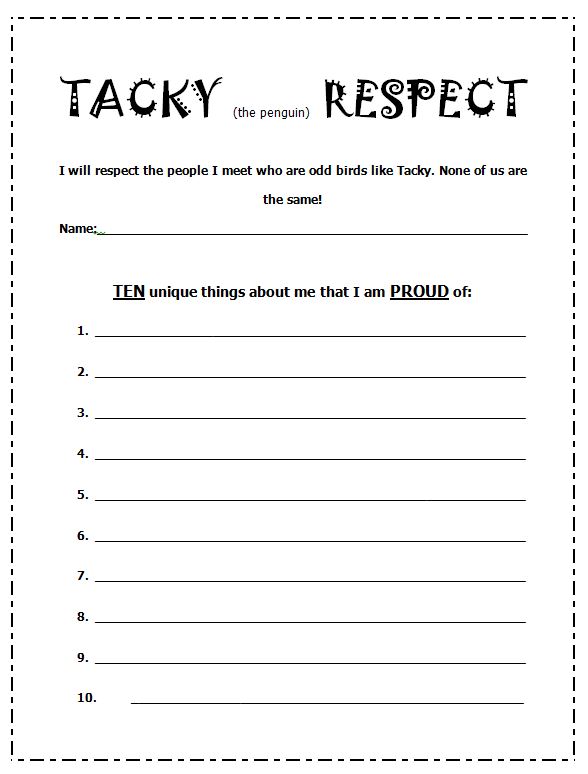
We then switch gears and talk about how if everyone is different, they are the only them the world has. No one is like them. We talk about the word unique and what things make us unique. Their activity is a sheet with ten places for them to write unique things about themselves. I tell them these things need to be things they are proud of and that they cannot be about things they own, except for pets. I give them examples to give them some ideas. I suggest hair, eye color, hobbies, sports they play, cool abilities they have (juggling, spinning a basketball on their finger, doing a back bend, being double jointed, etc.), being short or tall, wearing glasses, having freckles, etc. I give them a personal example of still being able to buy shoes in the children's department. I tell them that I know that's somewhat weird, but it makes me unique and I'm proud of it. I think if you can give them a person example like that it really helps encourage them to think about theirs. Several of mine light up when I talk about my weird little feet! I usually have one ask if I'll take them up, which I don't. I don't need their sheets, and I want my students to remember things they are proud of about themselves. 

You can get my Tacky worksheet AND a copy of the Simon Says game here!

Monday, March 21, 2016

Testing Monsters!

While my younger ones are getting a lesson on being responsible and doing their best at school, 3-6 is getting a lesson on testing. Our state testing is just over a month away. I'm trying to tell my students that they have really good teachers and they will be ready for this test. They aren't expected to get every question right. They just need to do their best and they will be fine! 
A fellow school counselor has a great lesson for this, which I have taken and adapted for my students. You can find a copy of her lesson here! And it's FREE! There are also really awesome book marks that can be printed and given the students. 


She uses Monsters University to talk about what scares us about taking a test, which is quite popular with at least my students right now. I do this lesson along with some basic study skills and test prep techniques. My kids REALLY love the monsters and I often hear them talking about their monster as I leave. I tell them we all have one and even share which monster is mine with them. Some of my teachers also volunteer this information too! 

 There is also a memory challenge in this lesson, which I use to show them how important it is to not wait until the last minute to study. If they take the time to look over material more than once, they'll know more for the test. She used objects, but I just used images in the Powerpoint for this. I give them 20 seconds to memorize as many of the 12 pictures as they can. Then they write down what they remember. We talk about boosting our memory, but also about this is how it is when you study. You only remember some of what you study most of the time, so you need to study a little at a time and not wait until the last minute!

I also try to make sure they know how much their attitude about how they will do really matters for their score. They can't think they will fail, or they might! We talk about giving ourselves a pep talk if we need one on the way to class!

One last thing I share with them is the power of writing down their worries to help them let go of those and focus on the task at hand. I have a slide with the following picture and I tell each class about my worry box


Tuesday, January 26, 2016

Conflict Resolution for Older Elementary

For my older babies, I do a lesson on actual conflict resolution instead of teasing. For this, I use a Powerpoint that you can find here in my TPT store.
First, we talk about conflict and how it is a part of life. Conflict isn't bad until it leads to an argument or a fight. We want to keep if from getting to that point (hence a lesson)!


Then we talk about three styles of conflict. Each style has an animal that makes it easy for the kids to remember. My students love this part and are stopping me in the halls to tell me they aren't being sharks! 
The we watch The Zax, a short video of the story by Dr. Seuss. It is a wonderful adaptation and uses the original images from the story. They we talk about the style of the Zax and about their conflict and how they could've done better at resolving their conflict.


This is where the powerpoint in my TPT store ends. The reason for this is that I use a wonderful resource already on TPT in another store.


I do not want to take away from this person, so I have taken out the discussion and images of the SODAS model from the Powerpoint in my TPT store. However, my kids love this because they love soda! It really helps them remember the steps!
Click HERE to get this awesome resource for FREE!

In my lesson, I add images from this resource and we go through a couple of scenarios together using this model. The resource includes a worksheet where you can have the students work in groups if you'd prefer that. I whited out my detailed part of the activity for this post, but I added all the steps in a text box over the image I took from the resource mentioned above. I have each section staged to appear after we have talked about it as a group. This is a great way for them to see the process laid out!
 
How do you teach conflict resolution? What fun activities do you do with your students? What makes it click for them?

Thursday, November 5, 2015

Bucket Filling Activities!

As I mentioned in my last post, I love the book about being a bucket filler. I know many teachers already use this book in their classrooms, but I use it as a kindness lesson for all of my kids K-6. As promised, here are the activities I do with them after reading the book: 

1. For kindergarten, writing can sometimes be a challenge for them. So, I give them the page below that allows them to draw a picture of how they could fill a bucket. I encourage them to think specifically about something they could do today. Sometimes students this age struggle with the concept of an invisible bucket, so I always clarify they know what invisible means. After reading the book, we do the drawing. I always follow up telling them to draw one way they will fill a bucket today by saying to draw something nice or helpful they can do for another today.  


2. For first-third, I have two writing activities. Which one I use depends on the level of the kids in each class. Sometimes first graders struggle with a complete sentence, so I have a sentence starter version for these guys where they can complete the sentence to say how they will fill a bucket today and then draw a picture of it.If they are able, I like to give them the page with just sentence lines on it. I try to encourage their academic skills whenever I can, so I do prefer to have them write the sentence themselves if possible. This page also has a spot for drawing pictures. I wish I had taken some pictures of some of the drawings I've seen so far! Some of them really are fantastic!


3. For fourth through sixth, I like to have them fill buckets right there in class! They use these cards to say something bucket filling to a friend. I always proof these before returning them to the teachers. Sometimes they say hurtful things
meaning well. I let them do as many as they have time for or want to do. Many of them have great ideas! 
For this lesson, I also try to teach about good compliments. They know saying someone's shirt is pretty is a compliment, but I encourage them to focus on something about the person. What is cool about them as a person? What thing is that person good at that they respect or admire? What do they value in the other person? Superficial compliments are good, but this kind of compliment is even better I think. 


All of these activity pages are available in a pack you can find in my TPT store. :) 


So, what do you think? Will this work with your students? Have you done bucket filling before? If so, what are your activity ideas?